Why Your Lawn Looks Patchy This Fall—and How Grass Pods Can Fix It
Published on
You’ve spent all summer enjoying your lawn—barefoot afternoons, weekend barbecues, and endless fetch sessions with the dog. But now that fall has arrived, that once lush carpet of green looks... tired. Uneven color, yellow spots, and thin patches are showing up across your yard.
Don’t panic—this happens to even the most looked-after lawns. Seasonal shifts, inconsistent watering, and everyday wear can leave your grass struggling to recover. Warm-season varieties like bermudagrass often enter a semi-dormant state as temperatures cool, slowing growth and revealing bare areas that were hidden by summer growth. Add in compacted soil, pet damage, or a bit too much shade, and you’ve got a recipe for a patchy lawn.
The good news? You don’t have to start over or roll out new sod. With a little yard work, you can easily bring your outdoor space back to life using grass repair pods for patchy lawns—a simple, homeowner-friendly solution that fills in the gaps naturally and beautifully.
Common Causes of Patchy Lawns in Fall
Before you can fix your lawn, it helps to understand why it looks uneven in the first place. Fall patchiness isn’t just about cooler weather—it’s often the result of what your lawn went through in summer and how the soil responds to seasonal change.
1. Stress from Summer Heat
Bermuda and other warm-season grasses thrive in the heat—but even these hardy varieties can struggle under extreme summer conditions. Long periods of heat or drought cause the grass to go dormant or thin out, leaving weaker areas behind once fall arrives. Those brown or bare spots are your lawn’s way of saying it needs recovery time and a little help filling in.
2. Uneven Watering or Compacted Soil
Lawns need consistent moisture and air circulation around their roots. When watering is irregular—or when soil becomes compacted from foot traffic or heavy equipment—roots can’t breathe or absorb enough water. The result? Thin patches where the grass simply gave up. Aerating and repairing those areas with grass pods can help restore healthy growth.
3. Foot Traffic or Pet Damage
Your lawn gets a lot of love during summer, and sometimes that’s the problem. Constant walking, playing, or parking equipment in the same areas compacts the soil and damages grass blades. Dog urine spots can also burn patches into your turf, especially if not diluted quickly. By fall, these overused areas stand out as unsightly bare spots.
4. Disease or Pests
Fungal diseases like brown patch or dollar spot thrive in humid summer weather and can leave lasting scars on your lawn. Similarly, grubs and chinch bugs feed on grass roots, causing thinning or dead zones that become more noticeable as temperatures cool.
Once you identify the cause, the path to repair becomes much clearer—and that’s where grass plugs come in.
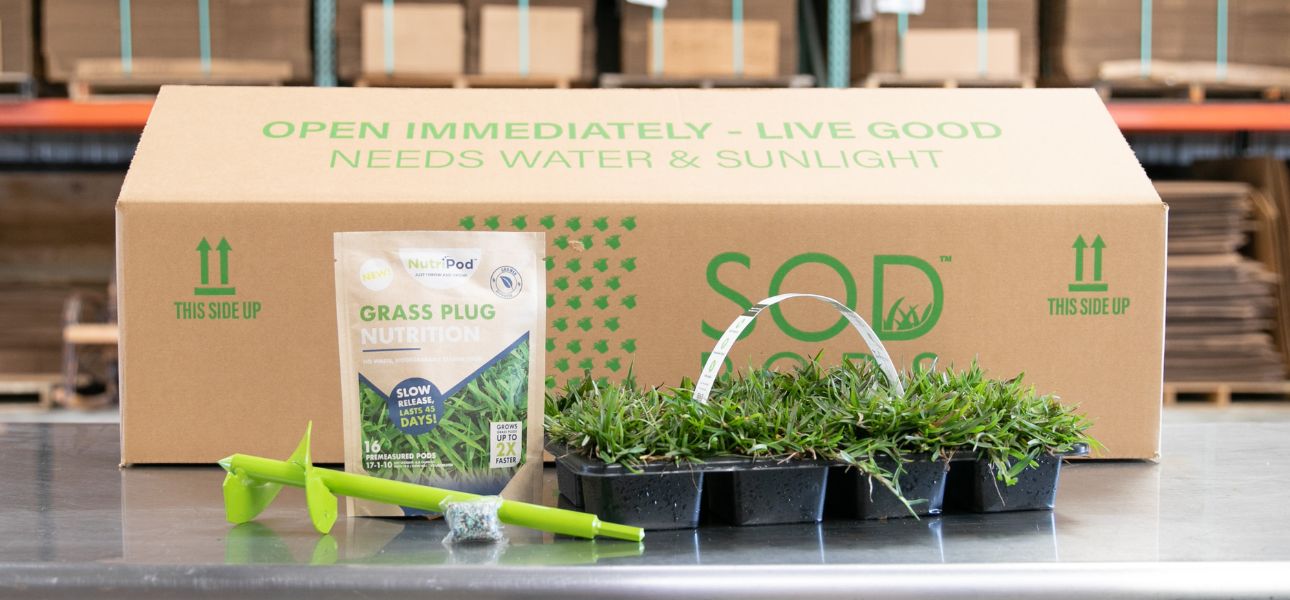
Why Grass Pods Are a Smarter Way to Repair Bare Spots
When it comes to patching your lawn with sod plugs, SodPods® make the process easier and more efficient than traditional methods like seeding or re-sodding. These pods are grown individually in grass plug trays, allowing each plant to develop a strong root system before it ever touches your soil.
Each SodPod is essentially a small piece of sod—dense, rooted, and ready to grow. When you plant them in your lawn, they quickly establish themselves and start spreading to cover bare areas, blending seamlessly with your existing turf.
Here’s why more homeowners are turning to SodPods instead of reseeding or laying full rolls of sod:
-
Faster establishment than seed—no waiting weeks for germination.
-
More affordable and flexible than installing new sod across the whole yard.
-
Eco-friendly and sustainable, since you only use what’s needed to patch problem areas.
-
Perfect match for bermudagrass sod and other warm-season varieties like St. Augustine, Zoysia, and Centipede.
Plugging also gives you control—you can spot-repair only where needed instead of starting over. This makes it ideal for homeowners who want a greener, thicker lawn without the cost and labor of full replacement.
How to Patch Your Lawn with SodPods®
Restoring your lawn doesn’t have to be complicated. With a little patience and the right technique, you can patch bare spots efficiently using grass pods.
Step 1: Identify and Prep the Area
Start by finding all the thin or bare areas that need attention. Remove debris, weeds, or dead grass, and loosen the soil with a rake or garden fork. Level out any uneven spots so your new pods have firm, even contact with the soil.
Step 2: Plant the SodPods
Space each SodPod evenly—typically 12-18 inches apart, depending on how fast you want coverage. Press each pod firmly into the soil so the roots make good contact. This helps them establish quickly.
Step 3: Add Nutrients
For best results, use NutriPod® Plant Food for Bermudagrass Plugs (17-1-10 NPK). Just drop one NutriPod into each hole before planting. It provides a slow, steady supply of nutrients for up to 45 days, giving your new pods the boost they need to root deeply and spread more evenly during the crucial establishment stage.
Step 4: Water Thoroughly and Maintain Moisture
After planting, water your lawn thoroughly to help settle the soil and kickstart root growth. For the first few weeks, keep the area consistently moist—but not soggy—to prevent drying out.
Step 5: Mow Carefully Once Growth Begins
Once the new pods begin to spread and blend with your existing turf, you can resume mowing. Use a sharp blade and avoid cutting too low. For bermudagrass sod plugs, aim to keep them around 1–1.5 inches tall for the healthiest regrowth.

Encourage Even Growth and Long-Term Lawn Health
After your initial planting, your job is to help your new grass thrive. These small steps make a big difference:
-
Stay consistent with watering. Water deeply a few times a week rather than frequent shallow watering.
-
Feed your lawn regularly. After the NutriPod’s nutrients are used up (around 45 days), switch to a balanced lawn fertilizer appropriate for your grass type.
-
Mow at the right height. For Bermuda grass sod, keep it between 1 and 1.5 inches to encourage lateral spreading and reduce thatch buildup.
-
Avoid heavy foot traffic. Give your grass time to establish by limiting play or mowing when it’s wet.
-
Monitor for pests and disease. Catching early signs of stress—like yellowing or thinning—can help you adjust watering or nutrients before damage spreads.
Over time, these simple habits ensure your lawn stays resilient through changing seasons.
The Payoff: A Seamless, Green Lawn—Naturally
After a few weeks, you’ll start seeing new shoots filling in those bare areas. Over time, SodPods® grass pods spread and knit together to form a uniform, lush turf that looks like it’s always been there. No seams, no patchwork—just a healthy, green lawn ready for fall and beyond.
Using grass repair pods for patchy lawns gives you the best of both worlds: the instant gratification of sod and the long-term growth of natural grass. If your bermudagrass has seen better days, or you’re tired of patchy spots ruining your curb appeal, it’s time to take the smart route.
Ready to repair your lawn the simple way? Explore SodPods® grass pods—grown and delivered fresh to your doorstep. Each pod is designed to make lawn repair effortless, affordable, and long-lasting, so you can enjoy a lush, healthy yard year-round.